
Starting with the idea of shaping personality, every home tells a story through interior designstyles, where minimal, clean look, neutral color palette, bold colors, and expressive details all sit in between different layers of taste and understanding. In my opinion, many individuals believe that design entails only visual aspects of objects; however, it is analogous to fashion, grounded on fundamental elements, which can be linked with particular eras, such as geometric aesthetics of Art Deco of the 1920s or geographical locations, exemplified by functional simplicity of Scandinavian design. There are also opposites, such as midcentury modern design, characterized by smooth lines after World War II, or maximalism, with its bold palette of colors and textures. Such categories allow not only house owners but also tenants to identify their preferences and create spaces with their own origins and features.
Interior design does not entail merely selecting suitable furnishings or colors; rather, it creates an atmosphere in order to optimize living conditions of people. In addition, knowledge of design principles is vital for designers in order to accommodate unique tastes of clients and implement their ideas and visions into projects. Over time, development of diverse styles fosters creative potential of designers and helps them remain competitive.
What Truly Defines a Design Style
In my view, a true interior design style is much more than aesthetics; it encompasses the careful integration of core aspects such as the color scheme, materials, furniture, and décor elements. When properly coordinated, these components generate a distinct style with harmony and personalization. Each interior design style has its characteristics, ranging from the clean, simple lines of minimalist design to the ornate and symmetrical features of traditional styles. Many people overlook the importance of context, including cultural, historical, and geographical factors, on the evolution of design styles, from the influence of the Scandinavian design on Nordic landscapes to Art Deco and its glamorous, luxurious essence with early 20th-century origins.
The deeper your knowledge of interior design, the more enjoyable the creative process becomes; you stop thinking like a novice and start designing like an interior designer. As Nate Berkus pointed out, breaking rules yields great results in interior design projects. It is essential to know that you can embrace various styles simultaneously. Even professionals enjoy combining older styles with contemporary ones without losing their color theme throughout the home.
Popular Interior Design Styles
Modern Style
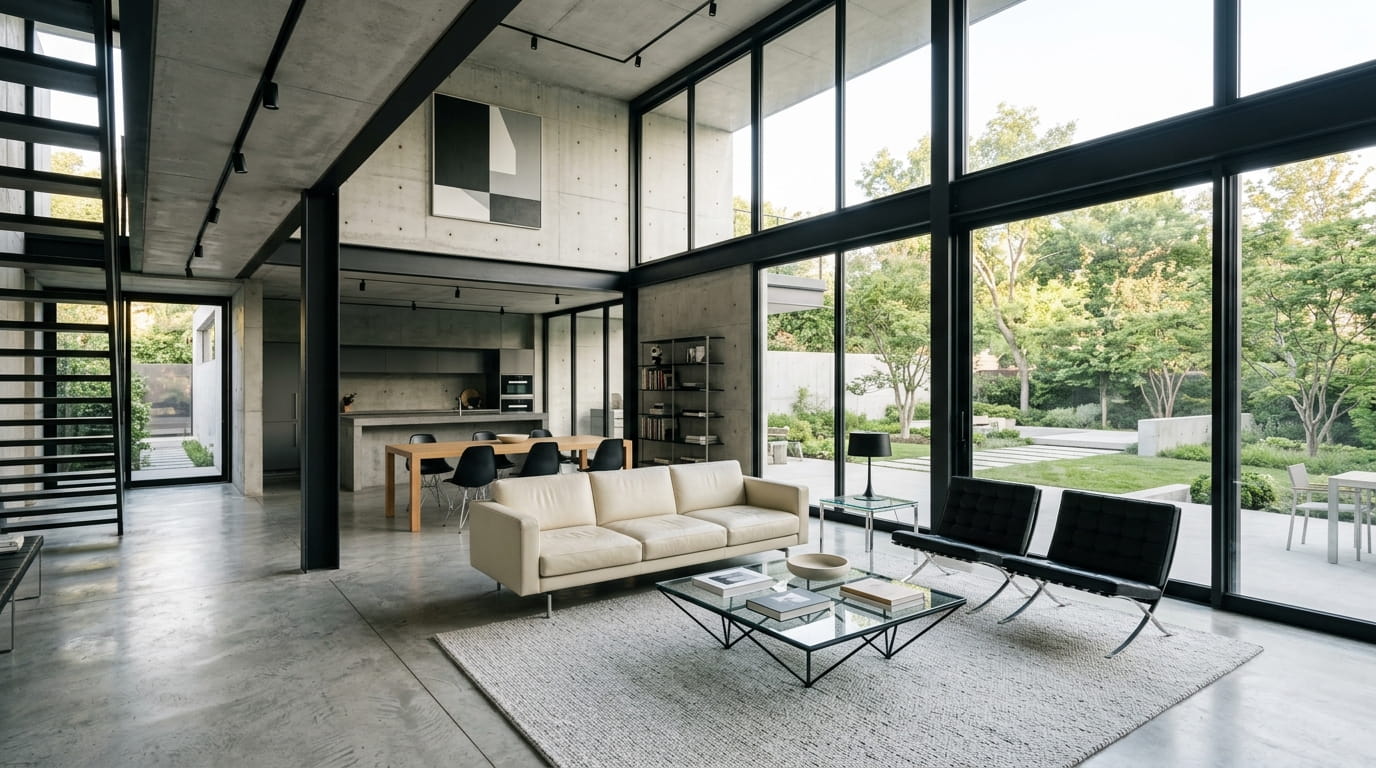
Whenever there is mention of contemporary design and modern interior design in the same breath, it is always my responsibility to bring out the major differences between the two types. Modern design is a particular style that originated during the early or mid-20th century, influenced by the ideas of 20th-century modernism. This is an outcome of the Bauhaus and International Style movements and is characterized by works of renowned architects such as Ludwig Mies van der Rohe and Le Corbusier who had the form follows function idea in mind. This led to the use of industrial elements over Victorian decor.. This style grew out of early 1900s advancements in technology and materials, giving it an enduring appeal through innovative approaches in both architecture and interior design.
In practice, I’ve found that modern design is easy to recognize through its clean lines, horizontal lines, and vertical lines, along with open floor plans and a neutral color palette or even neutral color palettes with subtle bold accents. It focuses on simplicity, minimalism, and practicality, using functional furniture and functional furniture design to create uncluttered spaces with an elegant aesthetic and timeless aesthetic. Materials like glass, wood, metal, steel, and concrete are used with sleek materials and often paired with large windows to maximize natural light and create a seamless connection between indoor spaces and outdoor spaces, with a strong natural light emphasis and abundant natural light. The use of monochromatic color palette, natural materials, and minimal ornamentation sometimes even exposed structural elements truly defines modern. Unlike contemporary design, which is a broader term reflecting what is currently on trend across a wide range of styles, influences, latest design innovations, and cultural shifts, modern remains grounded in its original post Bauhaus principles from the early to mid-twentieth century, continuing to inspire design today.
Contemporary Style
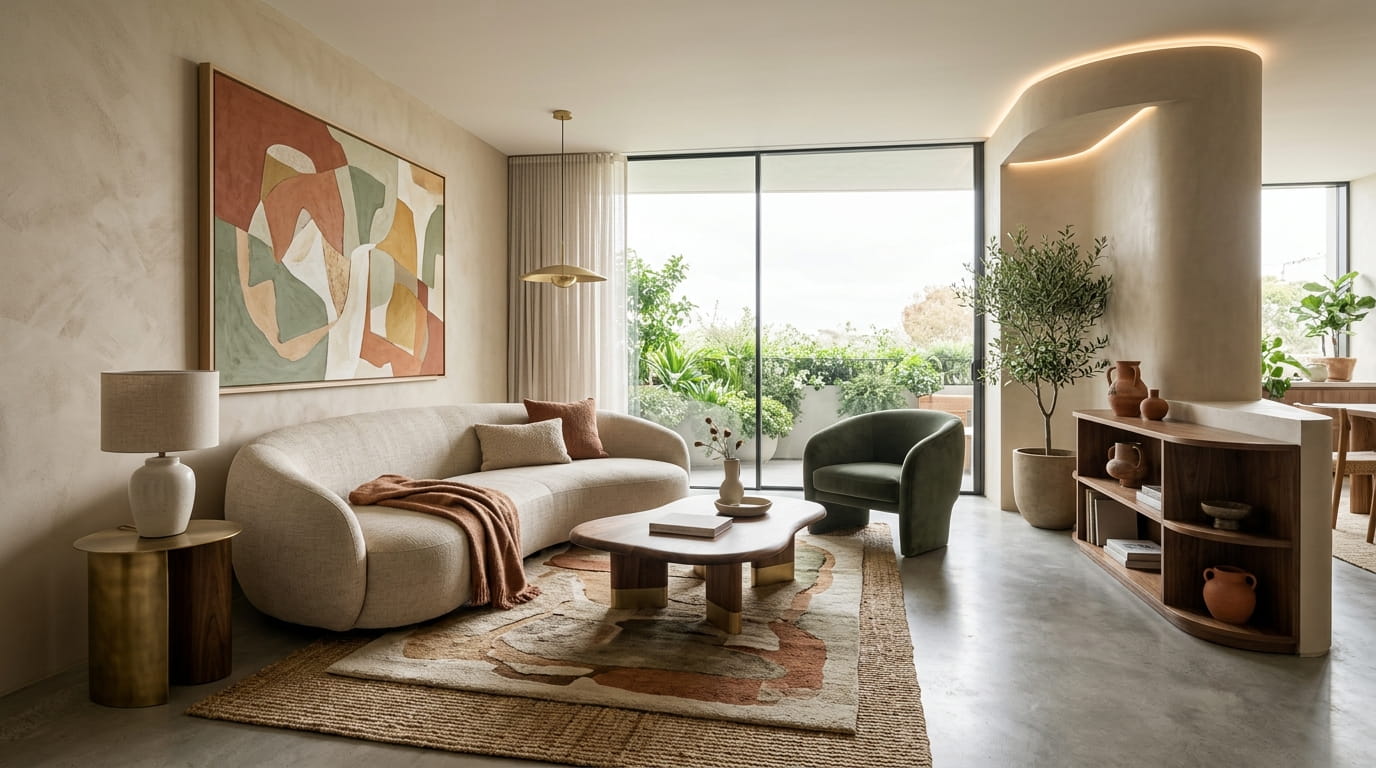
What I have come to understand is that contemporary design is always about the now because it represents what is currently happening in design, and is thus different from modern design which was tied to one particular age. Contemporary design keeps developing and changing as it follows trends, remaining sophisticated and constantly evolving. Contemporary design began in the 1970s as something which was contemporary in style and was thus differentiated from modern design which was an era. This design borrows styles such as modernism, post-modernism and deconstructivism, and is therefore constantly evolving. It is currently characterized by fluidity, clean lines and combinations of textures and forms in its designs.
From my experience, the real strength of contemporary design comes from its key influences art, design movements, sustainability, and innovation all shaping the current design landscape with eco-friendly choices and responsible design. You will see many instances of organic forms, biomorphism, and the combination of both curves and straight lines, as well as the use of colors, texture, and strong yet elegant gestures. It permits the blending of influences from various styles through sustainability and technology, which promote creative freedom. In real spaces, I’ve seen contemporary interiors like a dining space styled by Susannah Charbin strike balance between streamlined and textural, often enhanced by furniture and high-tech details. Iconic places such as Nobu Hotel London Portman Square and The Line Hotel truly embody aesthetic seen across today’s latest trends and evolving styles.
Traditional Style
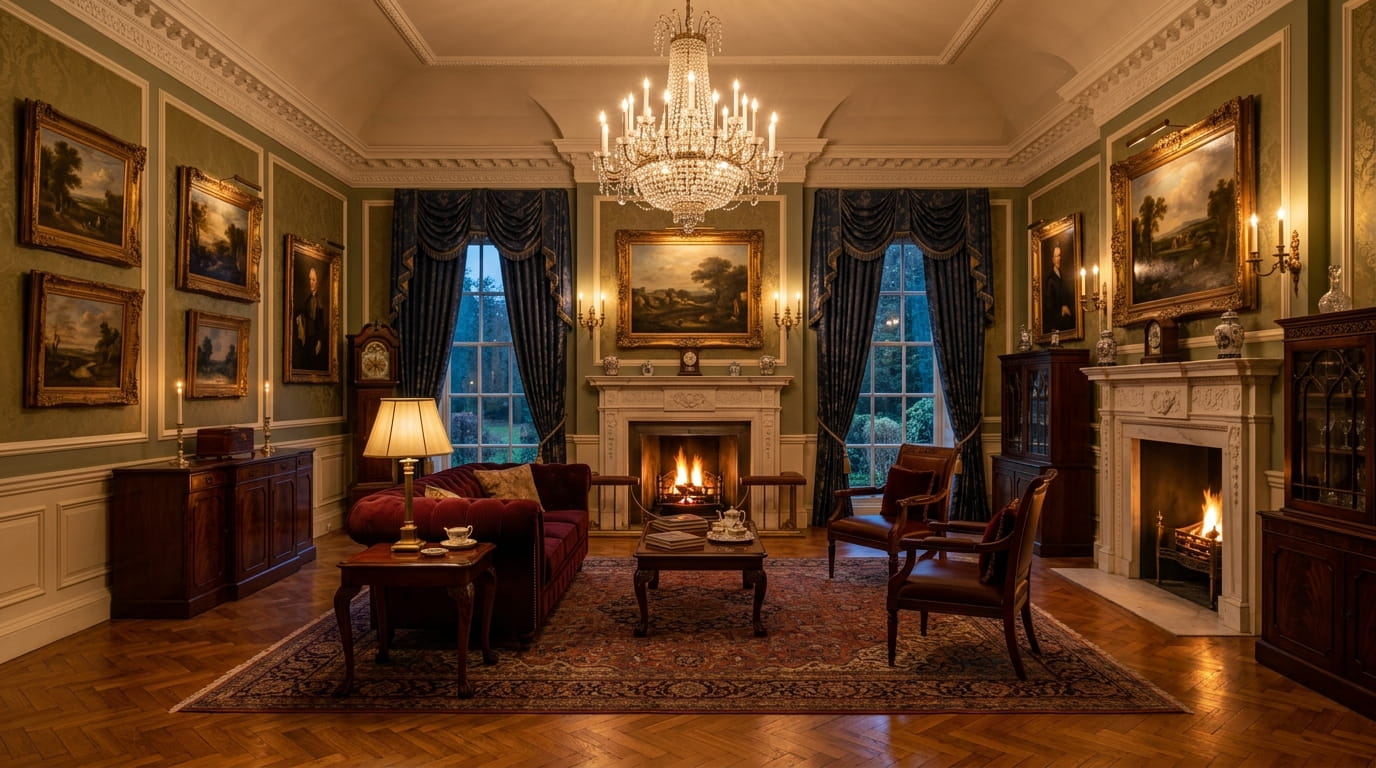
In my opinion, traditional interior design perfectly reflects classic comfort style because it has an inherent link to the history of the past, although it does not relate to any specific era. This type of interior creates an atmosphere of comfort and coziness, creating harmonious and beautiful interior spaces with a classical touch. The traditional interior usually includes such typical furniture as a Chesterfield sofa or Louis XIV chair. Furniture, fabrics, colors, and other decorative elements used in traditional interior design are based on historical components and not trendy ones. In a traditional bedroom, you will find a neutral palette, a wooden or upholstered headboard, a chest of drawers, an upholstered armchair, a landscape picture, and a lot of other elements that are combined in terms of symmetry, exquisite ornamentation, and rich decoration.
What characterizes this design style in particular are classic furniture items, elegant, but at the same time simple interiors, and sophisticated design elements such as ornate mouldings, carved woodwork, and luxurious materials such as silk, velvet, and damask.Decorative accessories play an equally important role in completing a traditional interior, particularly when they enhance both light and visual balance. Our guide on Mirror on Bathroom by KD Architects explains how the right mirror style, frame, and placement can elevate bathrooms while complementing both classic and contemporary interiors.
Inspired by such European styles as English design and French design of the 18th and 19th centuries and such historical periods as Georgian, Victorian, and Colonial periods, This is an indication of the European influence which resulted in the creation of a style of comfort and elegance that has stood the test of time for more than one century. In pictorial representation, I can imagine a restaurant with elegant dining tables, a small bar serving coffee, lit by the square windows allowing natural light to enter. There are chandelier-like fixtures and lights, creating symmetry. Other aspects include herringbone patterned wooden floors, a luxurious rug, and symmetrical furniture with dark wood and antique furniture forms. The environment is created to give a warm feeling to visitors. The room is completed by quality construction, luxury materials, and placement of antiques, replicas, and window coverings.
Scandinavian Style
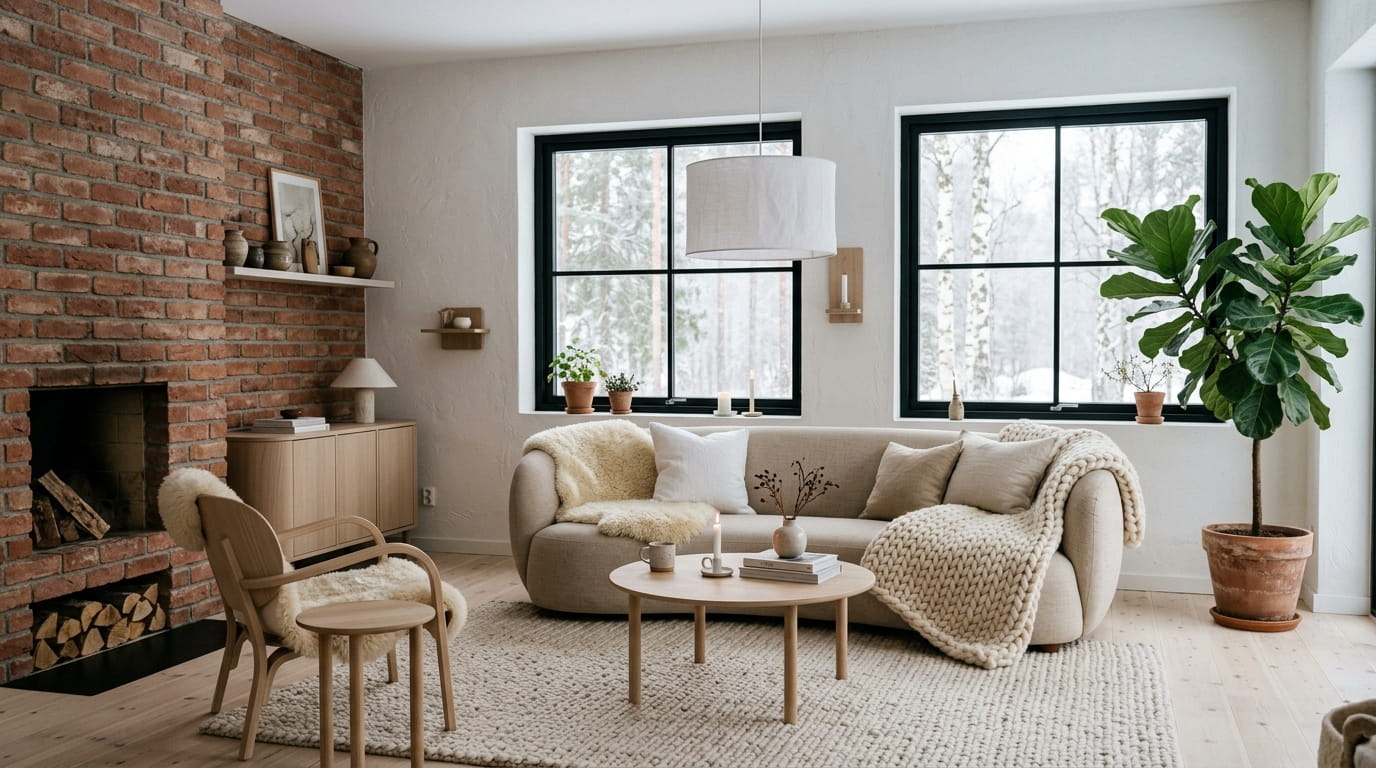
From what I have witnessed, the interior design style known as Scandinavian design is one of the most sought-after styles globally due to its simplicity, use of neutrals, and minimalism. It seeks light spaces and airy rooms, always aiming to maintain simplicity through the use of simple lines, materials found in nature, and neutral colours. Its objective is to make use of functional furnishing that is beautiful and practical at the same time, creating a warm environment. True to the Scandinavian style of design, it includes designing elements such as an open space, tall square windows, natural light, and comfortable pieces of furniture such as wavy chairs, benches, and ottomans.
Based on my observations, the true magic of the Scandinavian style can be found through the ability of incorporating simplicity and coziness in the design of a place to achieve an appealing and practical atmosphere inspired from Scandinavian countries such as Denmark, Norway, Sweden, and Finland, where this particular style emerged in the 1930s due to designers such as Alvar Aalto, Arne Jacobsen, and Hans Wegner. With concepts based on democratic designs, functional design enables this style to suit any practical purposes for normal people through good craftsmanship and natural wood tones including oak, birch, and ash. One will find elements of white walls, neutral walls, light wood tones, and light colored floorings paired with soft textiles including wool, sheepskin, and knit fabrics as well as organic curves, indoor plants and natural elements such as candles, and lightings. Exposed brick walls, cement, wall fabrics, and darkly stained wood provide contrast in a room designed in this style with wood detailing, large plants, softening angles, and storage.
Minimalism Style
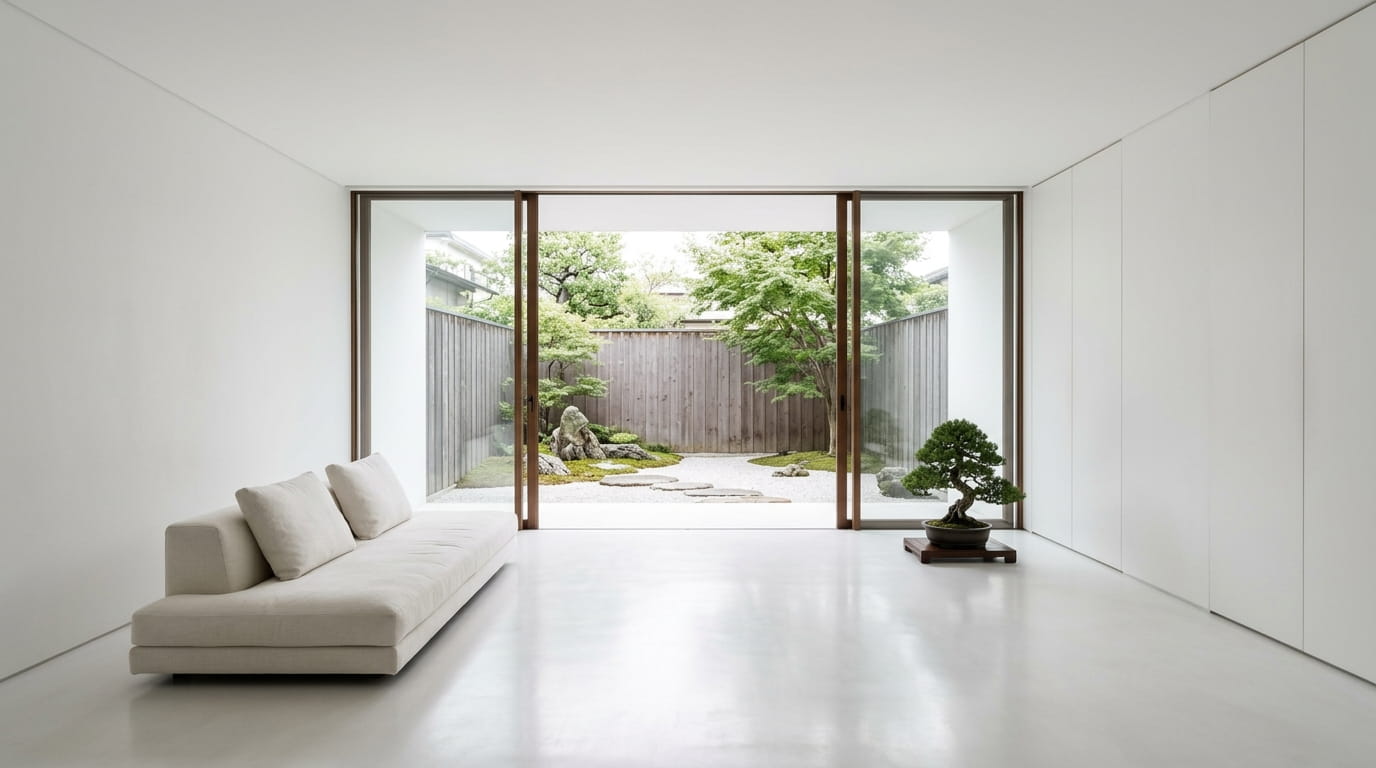
From my experience, Minimalism is more than a look it is a full lifestyle built on simplicity, where minimalist design and minimalist interior design focus on clean lines, a neutral colour palette, neutral color palette, and neutral color palettes to create a strong sense of calm. It follows the less is more philosophy, also known as less is more, where spaces are kept as an uncluttered environment with uncluttered spaces, often intentionally sparse so every detail serves functionality and clear function. The idea is eliminating unnecessary elements and removing anything unnecessary, creating a feeling of calm, serenity, and even profound calm with clear purpose behind every element In essence, it is about beauty in space inside as well as outside, with every design aspect bringing a sense of spaciousness, which is spacious and purposeful in nature based on an aesthetic and concept of decluttered and open spaces.
The significance of minimalism can be understood from its stripping off of all that is not necessary, driven by the 1960s artistic movement as well as Japanese Zen philosophy and the reaction against excesses in consumption in the 1990s. Architects like John Pawson as well as designers like Donald Judd have been behind it with reduction being central to its essence of richness.
The use of soft tones, tranquil atmosphere, large windows, and an open patio brings in natural light as a primary design element, while simple carpet, clean floor, and lack of excessive decorations maintain a calm serene environment, peaceful ambiance, and even a sense of boundaries blurring. I often notice clean surfaces, uncluttered surfaces, open floor plans, subtle bold accents, hidden storage, geometric shapes, straight lines, and carefully chosen furniture selection that is sleek, understated, and based on quality over quantity, forming truly minimalist interiors with muted color, barely there tones, strong natural light, and carefully placed negative space used intentionally to support spaciousness and emotional clarity.Color selection has just as much influence on the atmosphere as furniture and lighting. If you’re considering a timeless green that works particularly well in minimalist, Scandinavian, or contemporary spaces, our guide to Pewter Green Sherwin Williams explores where this versatile shade performs best and how to pair it with natural materials and neutral finishes.
Conclusion
From the precision of modern architecture to the calming effects of minimalist interiors, each style of interior design carries its own special narrative of how we choose to live our lives. At KD Architects, we feel that interior design should never be formulaic, but should speak to you in an entirely personal way influenced by your past, present, and unique style of living. From the comforting aspects of Scandinavian coziness to the timeless qualities of tradition to the more dynamic elements of contemporary interiors, by gaining an understanding of these different styles, you can make a space for yourself that is truly unique.
Frequently Asked Questions (FAQ’s)
Interior design styles are recognisable approaches to shaping a room through colour, furniture, materials, layout, and décor. Styles such as modern, traditional, Scandinavian, contemporary, and minimalist design each follow different visual and functional principles.
Modern interior design is rooted in early-to-mid 20th-century ideas, with clean lines, open layouts, functional furniture, and limited ornamentation. Contemporary design reflects current tastes and keeps evolving by combining new materials, technology, sustainability, textures, and influences from different styles.
Start by looking at the colours, materials, furniture shapes, and level of decoration that make you feel comfortable. You can follow one interior design style or combine compatible elements from different styles, provided the overall colour scheme and visual balance remain consistent.
Scandinavian design is a good choice if you want simplicity with warmth, natural wood, soft textiles, and a cosy atmosphere. Minimalism suits people who prefer fewer objects, cleaner surfaces, more negative space, and a stronger “less is more” approach.
Traditional design works well when you prefer timeless furniture, symmetry, detailed woodwork, rich fabrics, and interiors influenced by historical European design. It is especially suitable for creating a warm, elegant space that does not depend heavily on short-term trends.

21 thoughts on “Interior Design by KD Architects — Styles, Ideas & Expert Inspiration”