
For centuries now, limewash brick has been used to decorate surfaces, providing them with unique, natural, and everlasting finish. Limewash is made by mixing slaked lime with water, and even natural pigments. One of the reasons why I adore this finish is that limewash provides a breathability that helps to manage moisture, protecting surfaces from mold build-up. Moreover, unlike many types of paints and other finishes, limewash allows brick and stone to preserve all their properties.
The finish comes in many shades, from pure white to natural grays and more earthy colors, thus giving homeowners an opportunity to express themselves. Moreover, limewash brick will be able to protect any surface both outside and inside, while also adding character to the interior or exterior design. As for the color of limewash, it gives matte, natural and not plastic-like finish to surfaces. When searching for eco-friendly, safe, long-lasting and at the same time beautiful finish, this option is simply unbeatable.
Why Limewash Brick Stands Out
Limewash brick can totally change your perception of a space by giving it a classic feel, which at once seems familiar yet very refined. Limewash brick is unique because it looks perfect in both rustic and modern interior and exterior designs alike it is incredibly versatile and does not clash or look out of place in any way. Personally, I’ve seen it used effectively for all types of projects, ranging from full houses built with brick exteriors down to accent walls in very small apartments.
This kind of brick can give timeless elegance to many home elements such as fireplaces, porches, and even entire facades. In particular, the thin brick varieties found in collections like Rustic Collection and Antique Collection work perfectly for these purposes.The designs available today give homeowners a serious range to work with, whether they want something bold or something quietly understated. Once you see it in person, it is very hard to choose anything else.

How Limewash Works With Natural Texture
Unlike conventional paints, which are simply placed on top of the brick structure as a foreign coating, limewashing involves an interaction with the brick itself, inside and out, bringing out the character inherent in its surface features. My constant reminder to my clients has been that by masking the natural imperfections of the brick, you destroy the very charm of what makes brickwork so special. Limewashing, by allowing the brick to breathe and be true to its natural form, takes precedence over any other decorative painting technique.
This produces a surface that seems almost alive and authentic compared to a mere painted wall.
Depth and Character That Builds Over Time
By using the limewash, what was once a mundane brick wall will be transformed into an intriguing surface with lots of depth. This technique provides the wall with a certain quality whereby its appearance varies depending on how light falls on the surface. The limewashed surface will bring about an effect that appears to be alive as compared to the dull effect brought about by paint. This technique brings about a transformation in the wall making it lively.
It will bring out a surface whose appearance will vary depending on the intensity of the light.
Giving Brick Fireplaces a Refined New Life
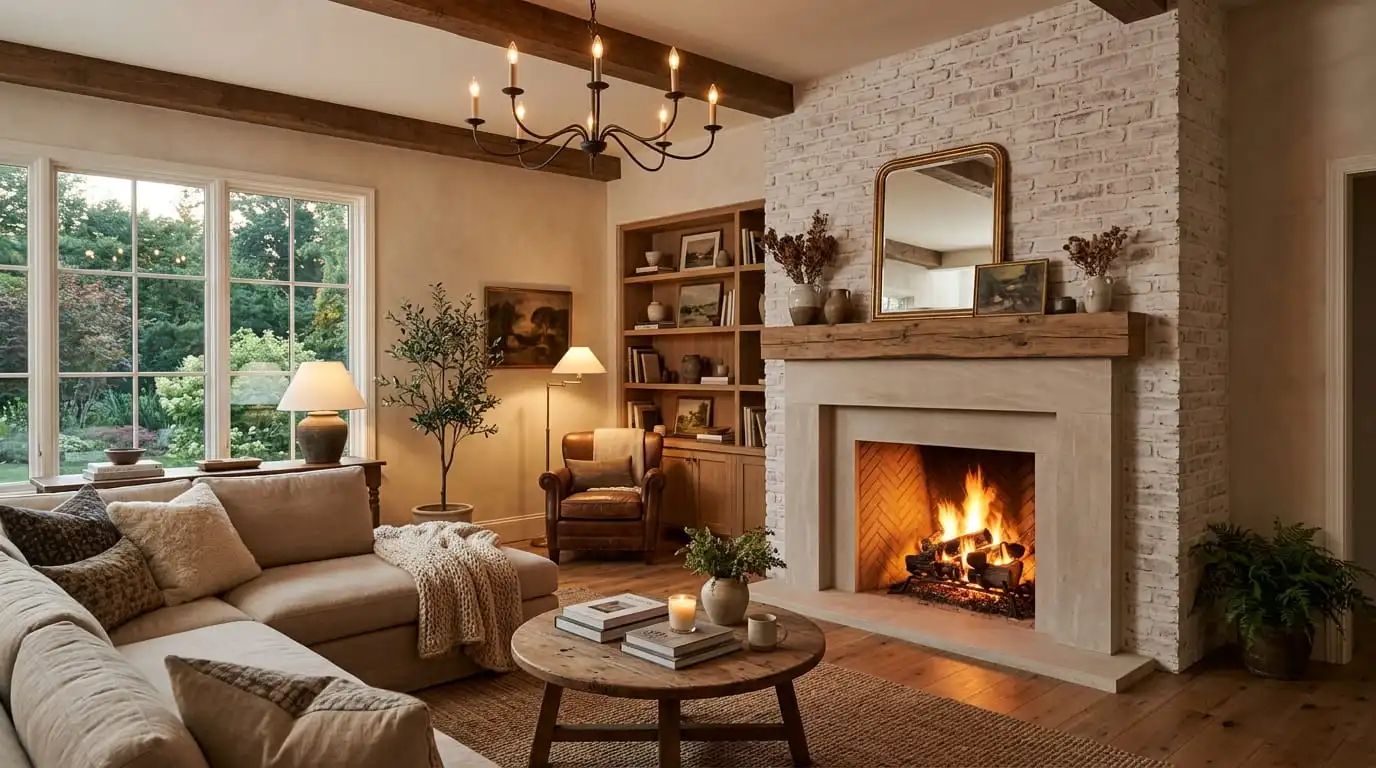
One of the key parts of any living room interior decoration will be a brick fireplace. Nevertheless, at times the conventional brick looks too intense for a stylish house. It is possible to create lovely and subtle patterns when limewashing the bricks together with limestone, emphasizing the natural character of the wall material without being too loud. I have personally taken part in the renovation process of a large-sized fireplace and only using one thin coating of soft-white limewash changed everything!
In case of creating an atmosphere of harmony for a double fireplace unit located both in the living and dining rooms, then use warm gray limewash paint.
Softening Exposed Brick Accent Walls
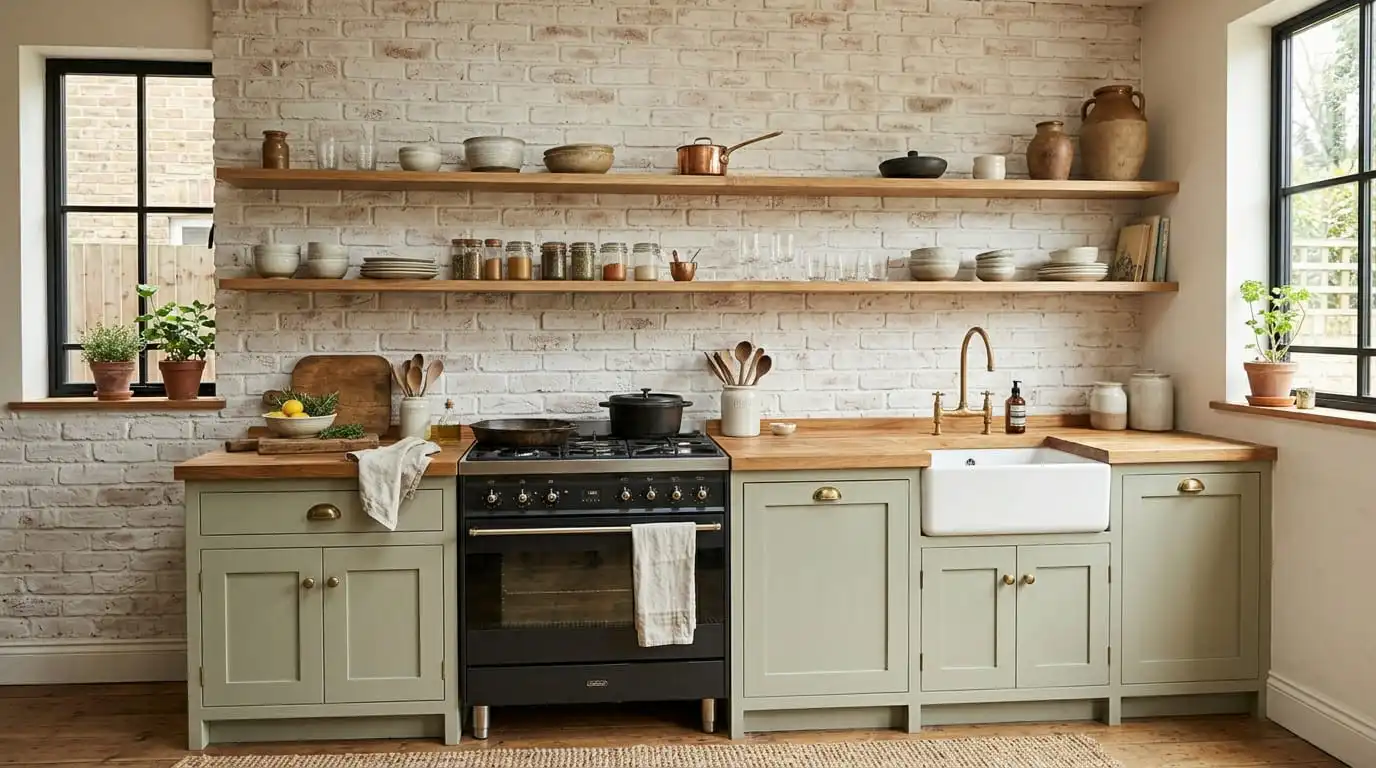
The use of exposed bricks in wall finishes may overwhelm a small space because it has a tendency to dominate a room unconsciously. Limewashing helps in toning down the brick while retaining its texture. In kitchens where exposed brick walls are used for the backsplash and wooden countertops are used, limewashing can help in lowering the reddishness of the brick through the introduction of a beige hue.
This helps in creating a peaceful ambiance by making the wooden materials in the area more noticeable.
Bedrooms with high ceilings and wooden beams will benefit from limewashed bricks.
Practical Beauty in Kitchen Spaces
In the case of an enclosed kitchen nook made from brick, the application of limewash will be both functional and aesthetically pleasing at the same time. Picture the scenario where there is an enclosed kitchen nook that consists of a cast iron stove with the use of taupe limewash to create a seamless and appealing blend of everything. Limewash not only looks good but also serves as a protective measure to prevent any form of damage.There have been many examples of kitchens that have been transformed just by applying this single element.
Refreshing Brick Exteriors With Lasting Impact
Even an old red brick house whose colors have been faded by nature due to long years will seem to be out of fashion and forgotten if there is no effort for its renovation. Through whitewashing the outside surface of the brick, the vibrant color of red will be neutralized, thus giving a timeless look that goes well with its environment. This kind of look suits best with ranch style homes, transforming them into cute cottages through an economical and easy manner.
When it comes to modern architectural designs, there is no better color choice than various gray shades.An exterior coating of dark gray in combination with black window trims and cedar details results in an elegant design with a perfect blend of tradition and modernity.
Bringing Garden Walls and Outdoor Features to Life
Brick garden walls might easily be forgotten, yet lime wash is the tool that may get your attention directed to them by simply doing nothing much. Think of a yard surrounded by weather beaten brick walls, which form a patio space. A simple application of light beige lime wash will give an instant connection between the walls and the surroundings, making them look coordinated and harmonized. Stone paths and wooden pergolas are wonderful additions to this finish. A simple coating of lime wash even on brick flower pots gives you a harmonized environment with a rustic feel to it.
Unique Structures That Benefit From Limewash
Limewashing is ideal for a brick cottage since it brings out a rustic element without covering the bricks, which play such a vital role in creating the rustic appeal. Limewashing the walls using a lighter shade of white and natural shutters will give a timeless combination. For a massive masonry house, taupe or cream colors would be ideal in reducing the appearance of the house while increasing its elegance. Even an outdoor fireplace can get limewashed to create a seamless connection to the rest of the patio or lounge space.
Choosing the Right Color for Your Space
White limewash remains the top choice among homeowners for good reason it softens red brick, feels fresh and clean, and creates an inviting look whether surrounded by trees and a neat lawn or placed inside a home.
A limewashed brick house with its whiteness has an appeal that is truly timeless. Inside, a limewashed fireplace only adds to the beauty of the room without making it stand out too much. It tones down the boldness of natural brick just enough for other parts of the interior to shine.
A limewash that is gray is ideal for those people seeking modern and contemporary appeal more particularly if the color combination is applied on red and orange brick walls as they bring out a balance and neutrality to the space. Painting the house in light gray color along with black window shutters and surrounding landscaping will bring a new touch to any home without undergoing major renovations.
For warmness in the interior design, colors such as beige, cream, and taupe may be applied.
How to Prepare and Apply Limewash Step by Step
Good results begin with proper preparation. Cleaning is done to remove all sorts of dirt, dust, and grime from the brick surface using brushes or power washers for external applications. For internal surfaces such as walls and fireplaces, one may use a cloth dipped in water to clean the surface gently. It is important that any cracks or damages on the surface be repaired prior to application of any limewash since they would only bring out defects through the process of painting.
The next step involves preparation of the paint where in the first place we need a mixture of limewash and water with about twice as much of water compared to the limewash. The mixture should be stirred enough to ensure that both the lime and pigments have been uniformly blended with the water. In addition, the right equipment needs to be available for the job including a brush and painter’s tape.
Apply in even strokes starting at the top to avoid drips running over finished areas below. The first coat will look patchy as it goes on that is completely normal and nothing to worry about. Allow it to sit at least 24 hours, and then consider the results of the first coating because the limewash will not appear the same when wet as it appears when dry. Apply additional coats of limewash for increased opacity by applying it when each prior coat has dried.
For an old look, use a wet rag to rub off some of the wet limewash and reveal the original brick color beneath it. When you are satisfied with the results, remove the masking tape and the drop cloths, put away your tools, and allow it to cure for a few days. The wet appearance is different from that of the final appearance because after a time, it will dry out to its natural state.
Let it dry down to its natural finish before you make any decisions on how it looks.
The Real Pros and Cons Worth Knowing
Limewash contains only two components: limestone powder and water. There are no harmful gases or VOCs, so it is entirely safe for everyone living inside and entirely environmentally friendly for our planet. It has been used in construction by green builders, historic restorers, and eco-friendly property owners for many years. In addition, even the Romans used it because of its excellent qualities. The numerous examples of its application in European architecture prove that it is highly reliable and aesthetically pleasing.
Breathability can be regarded as another advantage of using limewash since it does not cover the surface completely. Instead, it lets moisture exit and prevents mold formation in the future. Thus, it is very useful when decorating old brick houses, masonry buildings, and historic properties.
In a humid environment, this feature alone will be sufficient enough to stop the process of bubbling and flaking, which ultimately leads to deterioration in the traditional paint finishes. It has an exceptionally high alkaline level, making it antibacterial by nature and allowing it to sterilize surfaces along with protecting against bugs and beetles, a virtue that remains quite relevant even today, especially for people suffering from allergies and mold infestations.
The disadvantages of limewash include the lack of stain-resistance and water-resistance features; therefore, it can easily get stained and discolored when used indoors due to the presence of water..
It will eventually require a recoat. Accepting it with all its flaws is accepting the challenge of living with it in the best way possible. While it is true that acrylic paint can stay beautiful for up to 10 years or even more, limewash will age as time goes by.
Think of it less as maintenance and more as beauty in aging it is simply not designed to be a uniform coating that stays frozen in time.
Proper wall preparation, proper dampening, applying multiple layers, allowing adequate drying time, and mixing the ratio of materials appropriately requires skill and patience. Cutting corners on these steps may lead to streaking, peeling, or blotching which will become a pain to correct at a later point in time. Hiring a professional ensures that things go right and that work lasts, particularly when dealing with large projects involving exterior walls.
Getting a uniform color across all surfaces is difficult due to the aging process of the limewash paint and how complicated it is to recreate the same color when doing touchups. One should always document their mixing ratios and buy enough paint before beginning the project.
Conclusion
Limewashed bricks exude a sense of modest pride that no other coating can compare to. They neither attempt to cover up the identity of the brick nor deny it but rather embrace it, giving it a softer feel without stripping it off its authentic textures and hues. I have personally been working with limewashed bricks and would confidently recommend them over any other coating as they provide a warmth and classic look unmatched by anything else. Furthermore, they age gracefully, becoming more beautiful over time and developing a patina unique to themselves.
Apart from their aesthetic value, they have a multitude of practical uses too. Not only are they environmentally friendly and toxin-free, making them an excellent option for sustainable development, but their porous nature allows them to protect older buildings’ masonry from the damage caused by normal paints. Limewashed bricks are useful not only outdoors but indoors as well.
They can be used to renovate old exteriors, revitalize brick fireplaces, add some charm to accent walls, or refurbish garden walls. All you need to do is choose your preferred color, prepare the surface properly, and apply the coating patiently, and voila!
Frequently Asked Questions (FAQ’s)
Before applying limewash, the brick should be cleaned, damaged areas repaired, and the limewash mixture prepared with the correct lime-to-water ratio. Multiple coats can be added after drying to achieve better coverage and depth.
White limewash is a popular choice because it softens red brick and creates a clean, classic look, while gray tones offer a more modern style and beige, cream, or taupe shades add warmth. The best color depends on the home’s design style and surrounding elements.
Yes, limewash may need occasional recoating because it naturally ages and develops character rather than staying like a fixed paint layer. Proper preparation and application help improve durability and maintain the desired finish.
Limewash brick is a natural finish made from slaked lime, water, and sometimes pigments that changes the look of brick while keeping its original texture visible. It is used to create a soft, timeless appearance while allowing the brick to breathe and manage moisture naturally.
Limewash brick works differently from traditional paint because it absorbs into the brick instead of forming a solid coating over the surface. This helps preserve the natural character of the brick, while paint may hide its texture and limit breathability.

7 thoughts on “Limewash Bricks Inside and Out: Everything You Need to Know Before You Start”