
Interior design is an art and science that influences our experience of all buildings that we visit. It goes far beyond picking color palettes or arranging furniture in a room. This is a broad-based occupation that includes concepts development, space planning, site visits and construction management. I’ve been around for a while observing spaces shift from being a shell to a space with personality and warmth.
It is a key responsibility of every interior designer to coordinate, research and communicate with the stakeholders throughout the project process. The rules of the visual arts are used to help designers influence the emotions of people in any designated area. Professional interior design today has been influenced by the desire for a functional design and true health. Even the best of schemes doesn’t work out in the real world unless the human behavior is comprehended.
Color: The Most Powerful Tool in Any Designer’s Hands
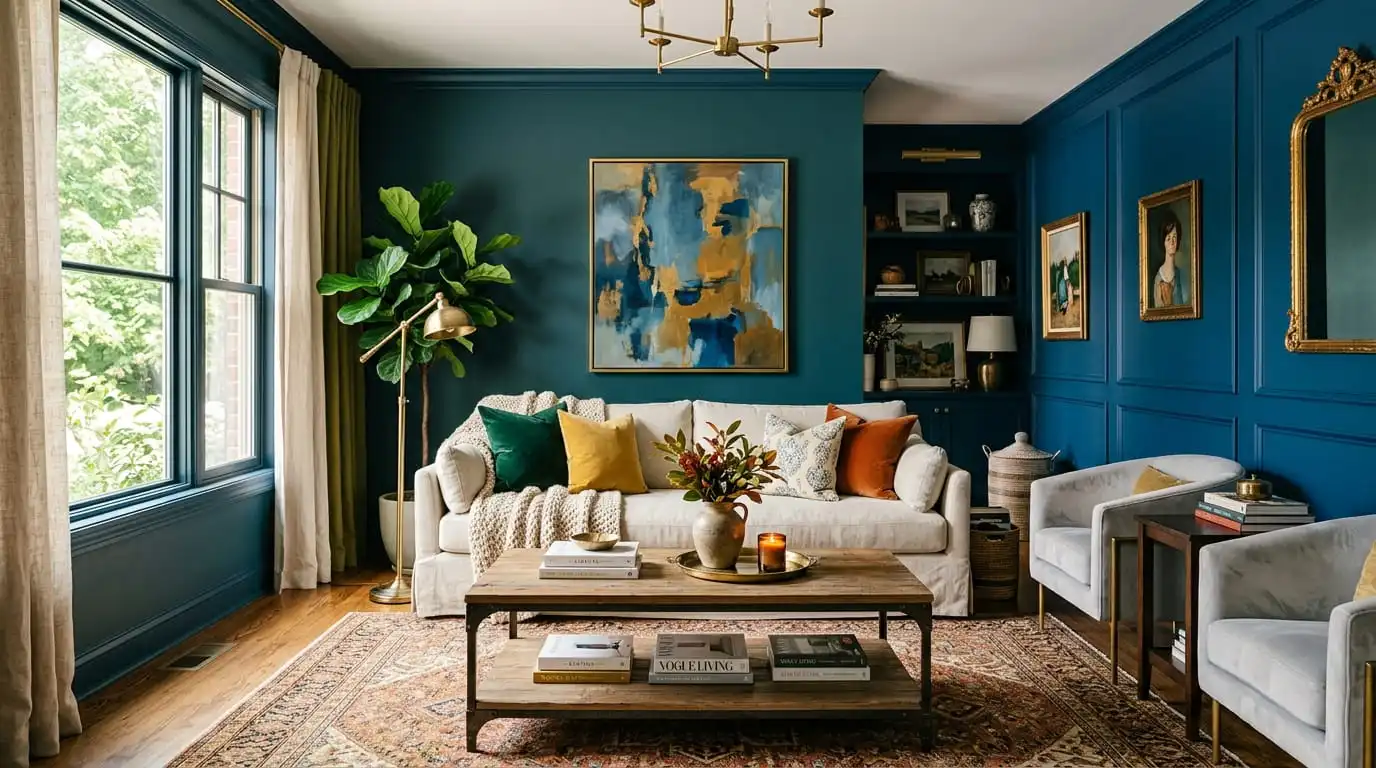
The psychology of color is an essential topic that all true designers should know very well before even painting their first wall. Red color will energize the dining space, whereas blue color will be soothing for the bedroom/home office. Yellow color will bring happiness and liveliness; however, dark tones will suffocate a claustrophobic individual, imprisoning him inside his own home.
Color meanings vary significantly from place to place and even from individual to individual, depending on the psychological effect produced by certain colors. Bold colors will create an extremely dramatic and stressful environment, whereas neutral colors will create a homely ambiance. A unified color scheme throughout the entire interior creates unity and harmony in different styles. Color combinations can make a tiny room seem larger or surprisingly smaller depending on your choices.
Light: Natural and Artificial, Both Matter Equally
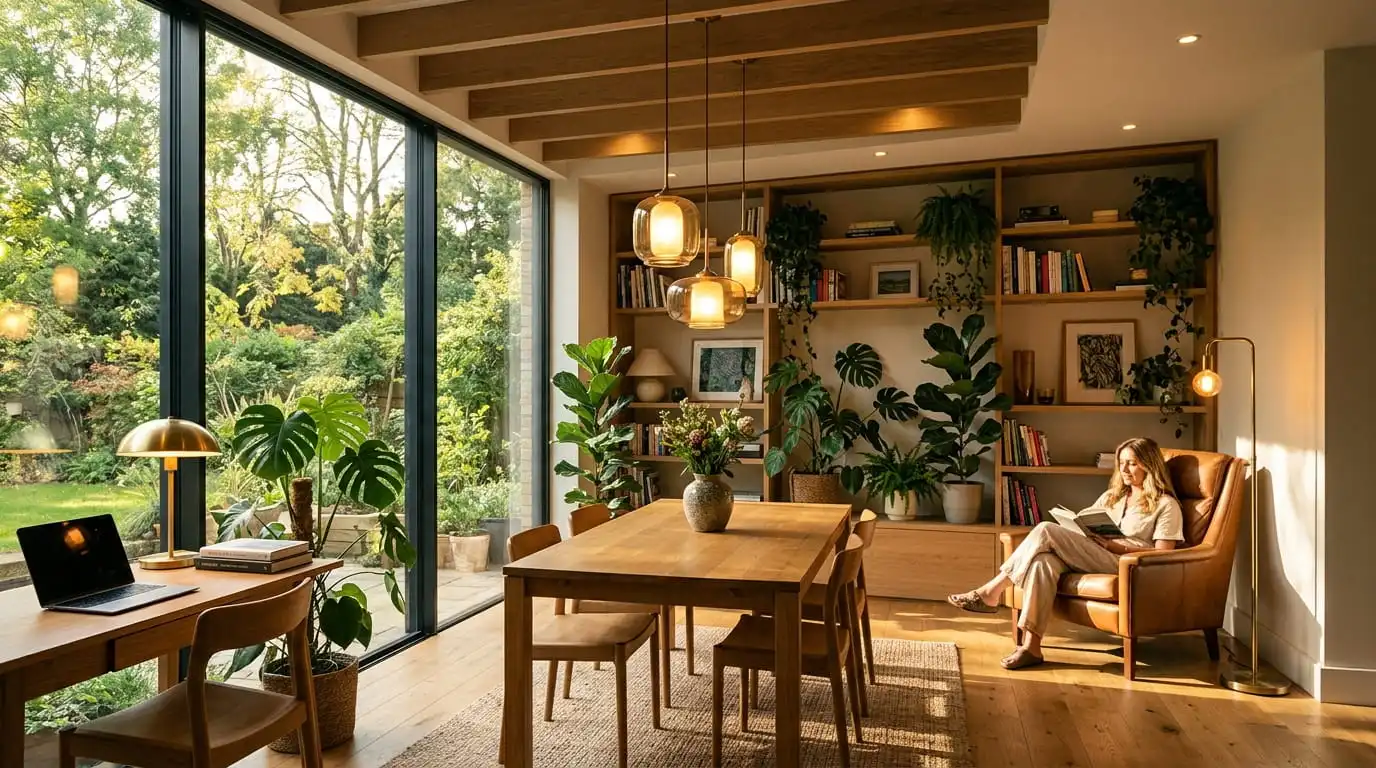
One of the key elements in modern day interior design in houses and business establishments alike that is often underestimated is lighting. The way lighting alters the mood of an interior environment throughout the day and evening is remarkable. Properly layering task, overhead, and desk lighting in order for all light sources to complement each other is imperative. As I always say to my customers, beauty rests entirely upon light.Ceiling height also plays a major role in how light travels through a room and how spacious an interior feels. Our article on Vaulted Ceiling explores the design benefits, structural considerations, and lighting opportunities that come with elevated ceiling designs.
Tall windows bring greenery and natural lighting into interior design spaces, particularly in the biophilic approach to interior design. Plants walls, green roofs, as well as potted indoor plants require natural light. The light created from a fireplace and fire pit cannot be matched by any form of overhead light installation. Layering different light sources can be the one transformational factor in your environment. Once the lighting plan is in place, even small decorative changes can have a noticeable impact. Our Home Decor Ideas article shares quick updates using table lamps, mirrors, curtains, and decorative accessories to make the most of both natural and artificial light.Natural light is only part of the equation—the architectural details surrounding a window influence how finished and balanced a room feels. Our guide to Window Casing explains how the right trim profiles, proportions, and materials can elevate both traditional and contemporary interiors.
Understanding the Major Interior Design Styles
The interior design styles have designs such as the mahogany panelling, antique furniture, , and the sconce, which dates back to the 19th century. The Southern Traditional style is inclusive of bright color schemes, patterns, monograms, whimsy, among other components, in the design process. Americana design style has absorbed elements such as checkerboard, quilted, wood furniture, and many more in the farmhouse design style. The English Cottage style design features elements such as floral wallpaper and paint trimming that make the style whimsical.
The Grandmillennial interior design style is characterized by paying homage to classic styles like chintz, chinoiserie, overall pattern, trellis, and wicker designs in a youthful manner. The Regency style can be described with reference to architectural ornamentation, gold finishes, light paint colors, and an extensive history. French Country includes traditional elements like the use of toile, tapestry weavings, dramatic lighting fixtures, muted paint hues, gold finishing’s, and favorite antiques. Moreover, the whole style is welcoming yet unpretentious.
Midcentury Modern, Neo-Industrial, and Retro Revivals
Characteristics of the mid-century modern design include features that originated during the 1940s and 1970s, after the end of World War II. The mid-century modern design was first introduced in America by Frank Lloyd Wright, incorporating wooden panels, chrome plumbing, and simple architectural designs.
Japanese influence, visible through folding screens and minimalist thinking, was also prominent within American midcentury modernism at the time Bathroom tiles in brown hues and silhouettes from the past have undergone a tremendous resurrection and are now back in fashion in modern-day households.
70’s Revival uses colors associated with the 1970s palette in its entirety and makes them trendy with contemporary furniture that is typically lower to the ground. While shag carpets are not compulsory, browns, metallic glitters, and natural materials are essential elements required to create the desired look. The neo-industrial design borrows elements of industrial architecture by incorporating concrete walls, metallic structures, and large window panes in houses.
Minimalist, Scandinavian, and Japandi Approaches
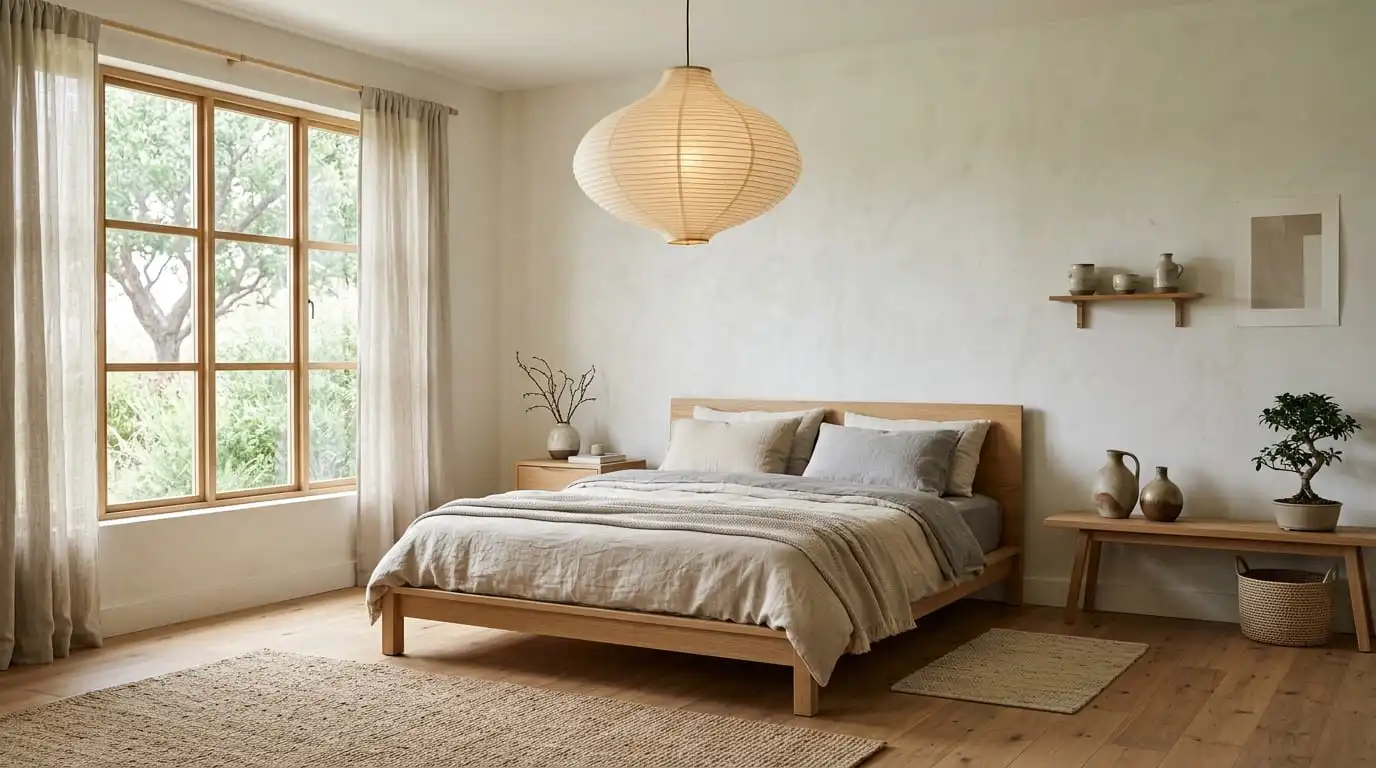
The Scandinavian design style is the ideal combination of minimalism and coziness. Piled carpets, wooden tones, bed linen, and streamlined interiors are among the elements that make the Scandinavian design style unique. Japandi fuses both Scandinavian and Japanese styles, using furniture of low height, organic materials, and rustic ceramics. Paper lamps, pastel shades, and serenity distinguish Japandi as one of the best interior styles of today.
Minimalism is a decorative style based on the idea of leaving only essential interior elements. Minimalist rooms are defined by simplicity and purity, while contrasts make them more impressive. For me, minimalist decor is the best because its value is in what is not there. The simplicity and cleanliness of such spaces make you feel relaxed, like they release your mind. It is scientifically proven that minimalism positively influences your mental health.Minimalist principles become even more valuable in compact spaces where every piece of furniture has to earn its place. If you’re furnishing a smaller room, our Small Bedroom Style Ideas guide shares practical layout, storage, and decorating strategies that maximize both comfort and functionality.
Maximalism, Bohemian, and Eclectic Design
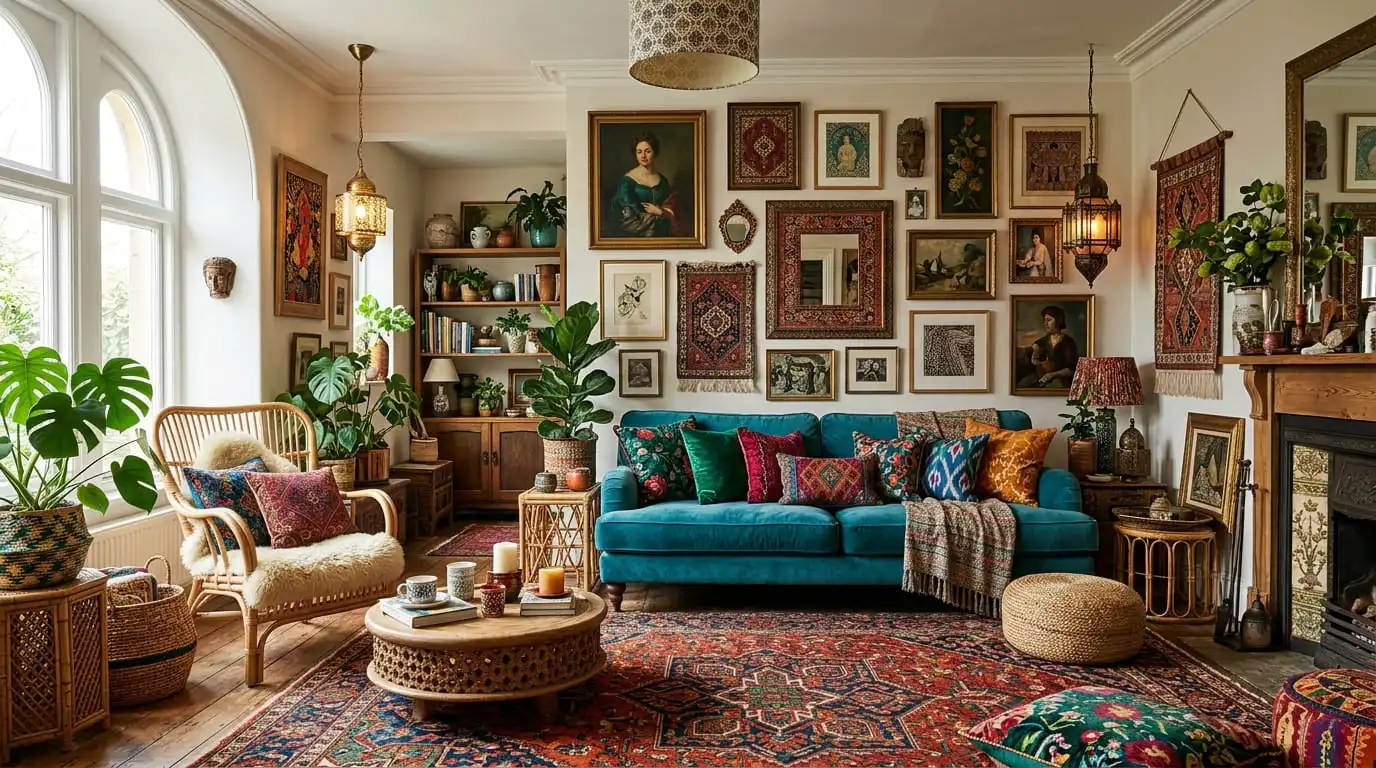
Maximalist design is all about relishing in the joy of working with colors, patterns, and textures through an exciting and highly personal process. In this sense, balance becomes essential to ensure that your work does not appear chaotic, but playful and colorful instead. The bohemian style utilizes motifs from all corners of the globe as well as luxurious jewel colors, huge patterns, rattan and wicker furniture, seagrass, and upholstered items.
In turn, the Memphis style was characterized by the usage of geometric shapes, bright colors, and square tiles in the Postmodernist period. It had its distinctive objects the Ultrafragola mirror and the Carlton bookcase made by an Italian architect Ettore Sottsass. Combining the abovementioned styles creates a playful effect. In general, mixing and matching creates more interest than the matched decor does.
Coastal, Mediterranean, and Warm-Climate Styles
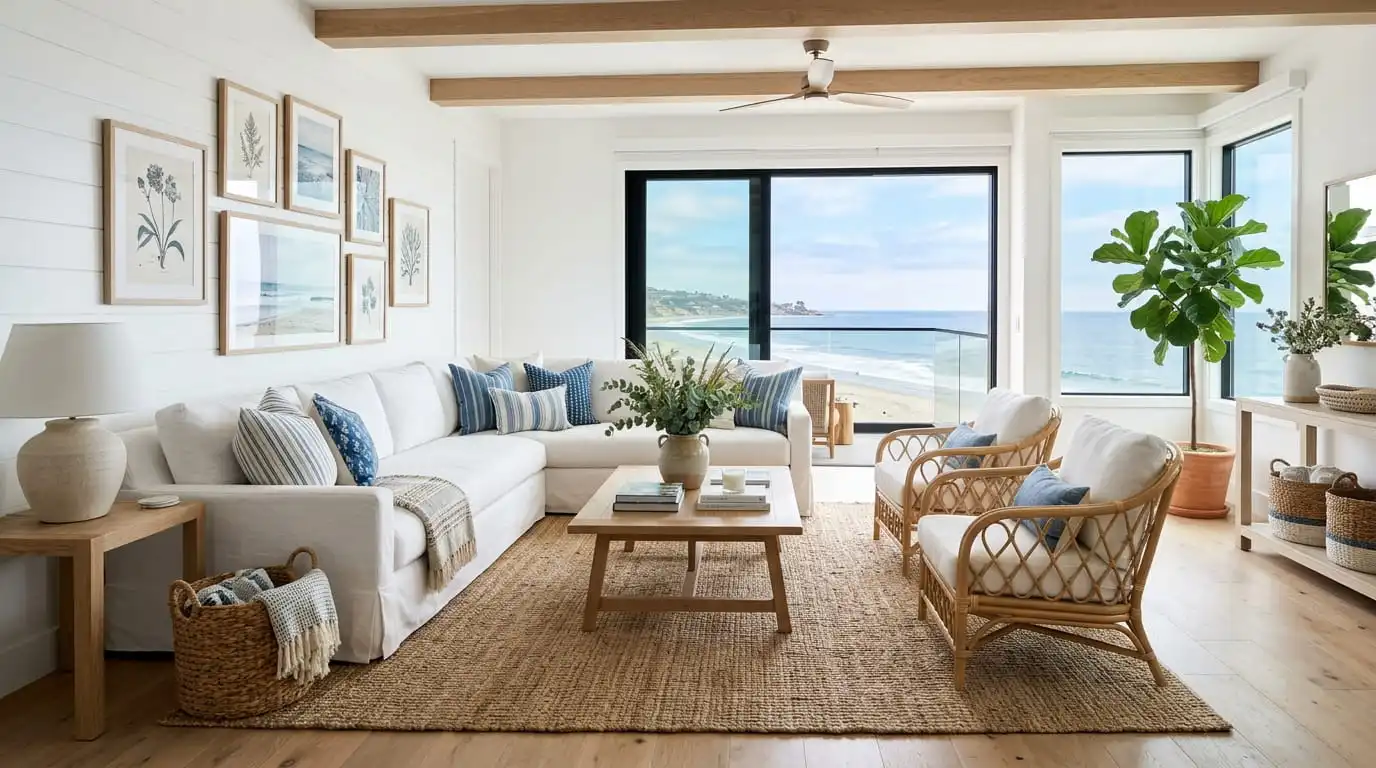
The Coastal styles will evoke a carefree beach experience through colors, materials, waves and floral print designs. Materials such as wicker, rattan, and seagrass will allow you to emphasize the natural elements of your house in a contemporary fashion. The California Coastal Styles will evoke a luxury as well as a carefree style with their use of wood, linen, leather and blue colors. The Palm Beach style is preppy and vibrant with sea-related colors, scallops, woven patterns, and fun furniture forms.
Mediterranean style is a combination of Spanish, Italian, and French styles through blue and white color combinations together with terra cotta colors. For instance, one may obtain this kind of coastal design from a vintage refectory table along with a banquette slipcover. An alpine style is an example of interior style that incorporates the warmth of the alpine lifestyle in terms of materials like wood, stone, iron, shearling, wool, and velvet.
Farmhouse, Rustic, and Modern Farmhouse
The farmhouse style embodies simplicity in functionality based on the historical tradition of America such as Colonial, Greek revival, and Victorian American eras. In farmhouse interiors, it’s all about staying true to what is real and humbling yourself in the remembrance of the past. In rustic design, the idea of rusticity entails the incorporation of natural materials such as stone and wood. This is because the art of rustic interior design thrives in admiring the imperfections that come with it and the story that it tells through them. The modern farmhouse style incorporates the traditional style, the neo-industrial style, and the mid-century modern style, which was made popular by interior designer Joanna Gaines.
The interior designs have elements of shiplap, exposed wooden beams, and neutral hues. Modern farmhouse design is akin to farmhouse design, but on steroids. The Americana theme also merges into this category, with elements of wood panelling, vintage art, and functional finishes.
Space Planning and the Functional Side of Design
Space planning is essential in any professional interior design regardless of size or budget considerations. The interior designer needs to know the basics of acoustics, windows placement, doors placement, occupancy capacity, and ADA guidelines on each job. There are certain limitations to the movement of load-bearing walls that cannot be touched without consulting an engineer, which most homeowners ignore when renovating. Construction drawings, mechanical engineering, electrical engineering, plumbing plans, and life safety regulations form part of the interior designer’s domain.While every project follows the same design principles, residential interiors often require a more personalized approach that reflects the homeowner’s lifestyle, daily routines, and long-term needs. Our guide on Interior Design explores how designers translate these practical requirements into functional and visually cohesive living spaces.Interior design doesn’t stop once you step inside the home—the transition between exterior architecture and interior spaces begins at the entrance. Our Wrought Iron Doors Benefits Buying Guide explains how the right entry door can improve security, durability, curb appeal, and the overall first impression of a home.
Residential interior design is all about the unique characteristics of the individual, his or her tastes and preferences, and personal daily routines. The area of commercial interior design is concerned with businesses such as retail stores, shopping complexes, malls, hospitals, and assisted-living institutions. Hospitality interior design deals with hospitality businesses such as hotels, motels, cruises, resorts, coffee shops, casinos, restaurants, and nightclubs. The category of exhibition interior design involves places such as museums, galleries, airports, and bus stations.
Physical Components: Walls, Floors, Ceilings, and Beyond
These include ceilings, floors, and walls that constitute the physical basis of every interior design endeavor without fail Patterned floors, ornamental panels, tile backdrops for kitchen walls, marble countertops, and terrazzo quartz are key factors in shaping the character of any room. Using recycled wood, stones, concrete, and metal gives the room its own unique, rustic charm, which cannot be replicated through synthetic material application. Kitchen cabinet designs, cabinetry, floor options, and closet designs all influence how functional a room becomes.
The choice of modular kitchens with storage systems, tall pantries, open shelving units, and breakfast counters all increase the functionality of small kitchen spaces. The use of dual tone cabinetry in colors such as sage green, pastel blue, blush pink, soft grey, and pale yellow all create instant personality in modern kitchens. Kitchen cabinets with brass handles, terrazzo quartz counter tops, and industrial open shelves all create a sense of material contrast and weight in kitchens.
Furniture, Accessories, and the Finishing Touches
No interior element is as responsible for defining the profile and dimensions of a space as furniture. The choice of a bench seat sofa is decidedly classic; the low-slung sofa is retro, while a custom-designed piece is thoroughly modern. It is perfectly possible to have antique coffee tables, stone side tables, and contemporary art pieces cohabiting within an interior that features a transitional interior design theme. A Louis XVI chair placed against a wall covered in wooden panels brings together the past and present seamlessly.
Carpets, drapes, toile materials, woven materials, fur carpets, and velvet upholstery all make for a rich interior design experience through their textures. Paper lanterns, hand-thrown ceramics, carpets, drapes, and stripes contribute towards the layers created in a room with the passage of time. The specialties that are tablescaping, prop styling, craft styling, and food styling all fall within the purview of interior design. The addition of mirrored glass, lacquer, gilt fixtures, and marble enhances any interior space.Walls deserve the same level of attention as furniture and accessories when completing a space. Our Dining Room Wall Decorations guide shares ideas for artwork, mirrors, paneling, shelving, and decorative accents that help dining spaces feel more inviting and complete.
Sustainability, Biophilic Design, and the Future of Interiors
The concept of biophilia design brings the essence of nature into interior designs using wall plants, rooftop plants, recycled building materials, and ample amounts of sunlight. The philosophy behind sustainable design is now entrenched in all design firms as a must-have feature in all construction contracts and material specifications. Eco-friendly design is not an option anymore; it is a requirement from all knowledgeable interior designers out there.
Gerontological design and educational facility design are growing specialties requiring highly technical and deeply empathetic professional knowledge. Designing healthcare environments for hospitals, mental institutions, dental clinics, laboratories, and other specialty medicine practices requires not only safety but also human comfort. Universal design guarantees that everyone can enter these spaces without any difficulty and feel comfortable. Today, AI applications, 3D floor plans, mood boards, and client dashboards have revolutionized the entire process of collaboration between designers and clients.
Conclusion
Interior designing involves making places where we stay that are as comfortable as they appear every day. It includes art, technology, practicality, and the ability to tell stories in a space. From simple designs to warm designs to cool coastal designs, interior designing gives a house its own unique personality. Interior designing helps us learn all about interior design styles and materials. Interior designing is not about decoration but living comfortably in the place we create for ourselves.
Frequently Asked Questions (FAQ’s)
Interior design is the process of creating functional, comfortable, and visually appealing spaces by combining elements like colors, lighting, furniture, materials, and layouts. It helps transform empty areas into spaces that reflect personality and improve everyday living.
Minimalist interior design focuses on simplicity, essential elements, and clean spaces, while maximalist design uses bold colors, patterns, textures, and decorative pieces to create a more expressive environment. Both styles aim to create balanced spaces but follow different visual approaches.
Colors influence the mood and feeling of a room, while lighting changes how spacious, warm, and comfortable a space appears. A balanced combination of color schemes and layered lighting can improve both the function and atmosphere of an interior.
Choose an interior design style based on your lifestyle, preferences, and the feeling you want your space to create. Options like Scandinavian, Japandi, farmhouse, coastal, traditional, or modern styles each use different materials, colors, and design elements to achieve a unique look.
A successful interior design project should consider space planning, furniture placement, materials, lighting, safety requirements, and the needs of the people using the space. Professional designers also consider technical elements such as construction drawings, electrical plans, and building guidelines.

22 thoughts on “The Ultimate Interior Design Guide for Every Home & Style”