
However, a house is not simply a physical construction; it becomes a space of living, memories, and comfort for everyone. Every residential building, whether it be a bungalow or a mansion, demonstrates the lifestyle, preferences, and needs of its future occupants. Contemporary houses offer all the benefits associated with comfort, beauty, energy efficiency, and convenience for the inhabitants.
Today, the real estate market provides various opportunities for those who are going to buy or rent a home. Individuals can browse through different floor plans, listings, or neighborhoods while making decisions. Moreover, due to the rapid development of technologies, people are provided with the opportunity to make their choice by using online searches powered by AI technology or virtual tours created on the basis of Matterport 3D Tours.
The Importance of a House in Everyday Life
The house provides shelter, security, and stability. It shields residents against natural calamities and varying climatic conditions. On the other hand, it acts as a private area where residents get privacy and comfort. House ownership is considered by many people to be a good way of investing in real estate.
In the average modern house, each room has a function of its own. The living room accommodates socializing and entertaining guests. The kitchen is meant for preparing meals. The bedrooms are meant for sleeping and relaxation. The bathrooms are meant for hygiene and convenience purposes. Other rooms include laundry, garage, attic, basement, study, library, and family room.
Some modern houses are fitted with extra amenities like an office, sunroom, swimming pool, or workshop. Open plan housing units are common nowadays due to improved mobility within the house.
Evolution of Residential Architecture
There have been a lot of changes in residential architectural designs throughout history. The early homes were designed to provide shelters made from naturally found materials. As construction techniques evolved, the design became complex and used materials such as timber, stone, concrete, and steel. Presently, houses are highly engineered and aesthetically appealing buildings.
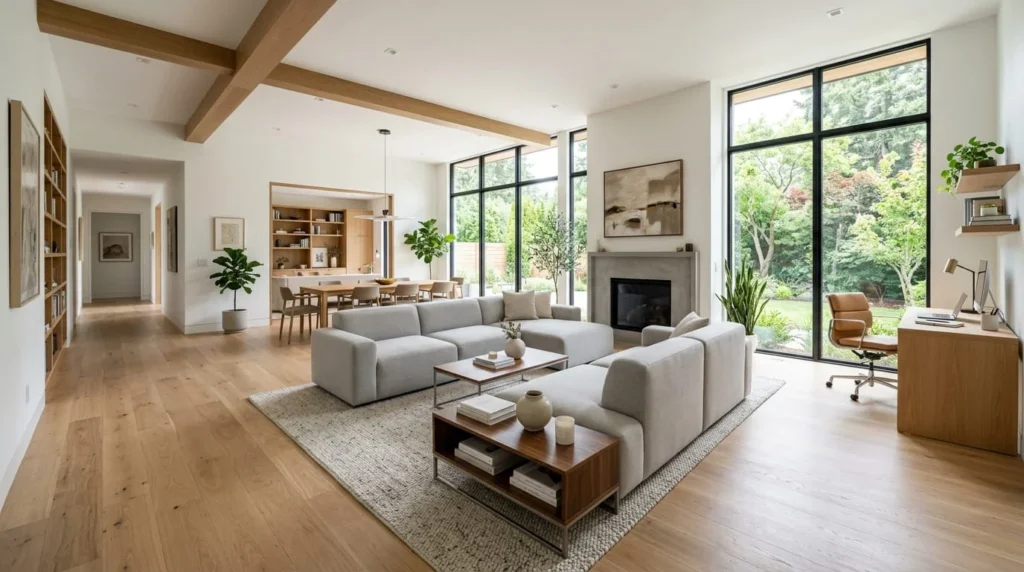
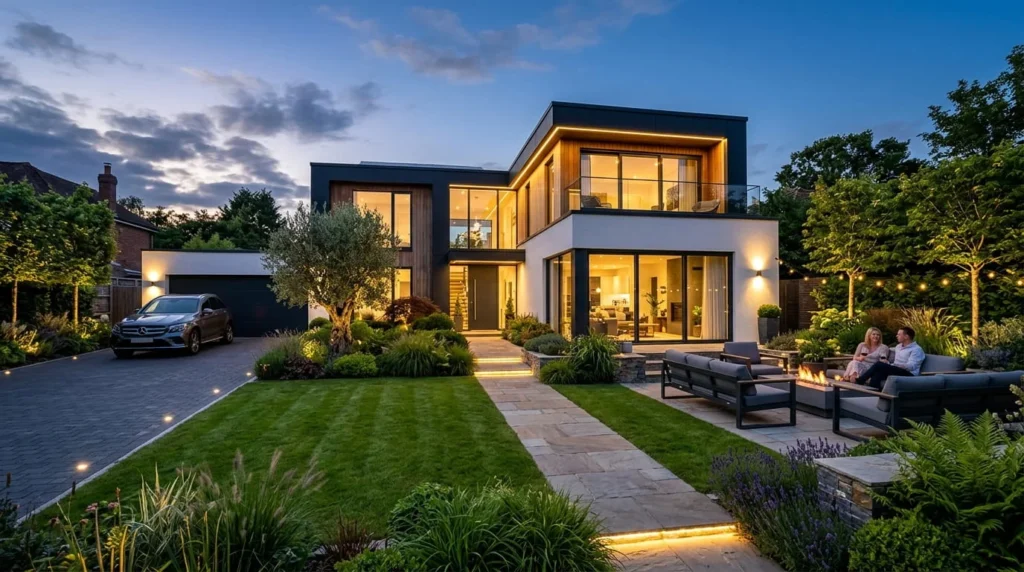
Several architectural designs have continued to gain popularity in housing. The craftsman architectural design is characterized by wood features while farmhouse design combines old-fashioned features and contemporary designs. Modern designs incorporate sleek features, large windows, and ample space, while colonial revival incorporates old traditional design features.
There are other architectural designs such as cabin, cottage, ranch and barndominium designs among others that meet the requirements of different lifestyles and budgets. Other designs are meant for people living on small or large pieces of land.
Floor Plans and Home Layouts
An effective home begins with the proper layout of the building. The structure of each room, its placement and connection to other parts of the house, and the movement inside will all be determined by the floor plan designed by the architects or designer.
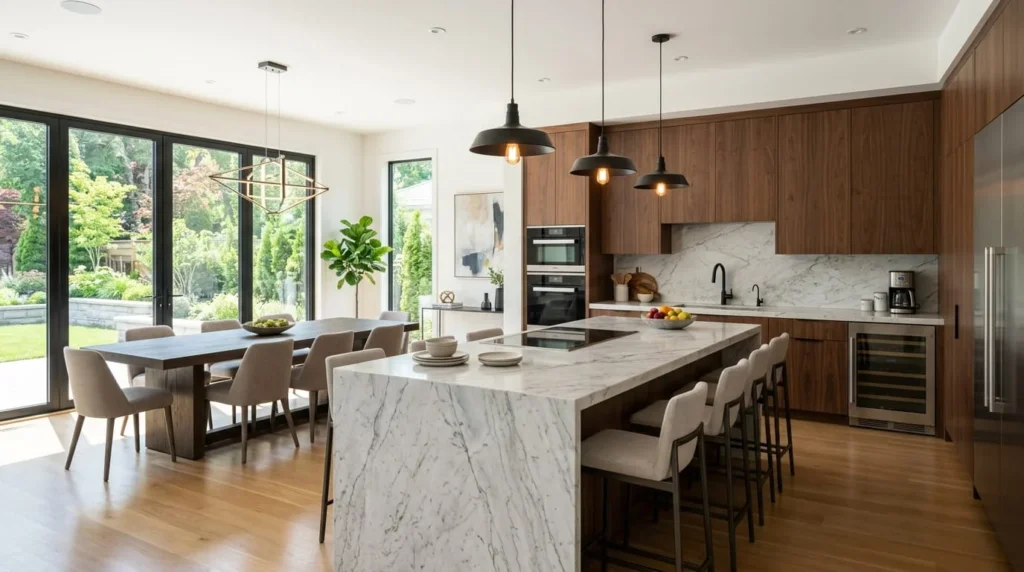
Currently, most people want open floor plans. With open floor plans, the dining room, kitchen, and living room share the same space with few walls in between them. Open plans make socializing easier and more flexible.
Bedrooms and bathrooms are typically built in the quietest parts of the house, where privacy is ensured. Other rooms may include a mudroom, pantry, entry, or loft space. Some houses also include guest suites, television rooms, or dedicated game and recreation spaces.
Working from home is now common, and people are more interested in having a study room or office at home. These rooms must have natural light and a fast Internet connection.
Homeownership and Financial Planning
One of the largest financial choices that many individuals will make is buying a house. This needs to be planned, budgeted and requires knowledge about mortgage. Buyers begin by assessing their income level, savings and credit history.
When it comes to mortgage, a buyer’s financial history is analyzed by the lender to determine whether he/she can get the loan. Important aspects that are considered include debt-to-income ratio, employment period and credit history. The buyer must also be prepared to pay the down payment, closing costs and insurance among other costs.
It is important to know that there are various mortgages in the market. Fixed-rate mortgage provides stability in terms of mortgage payment, but the adjustable rate mortgage varies. Programs from the government like FHA loans allow first-time buyers to access mortgages.
Before purchasing a property, the buyer should complete a home inspection and property appraisal.
Real Estate and Property Listings
Technology has revolutionized the real estate business sector. Potential buyers have the opportunity to access listings, price comparisons, and community details online. Real estate websites furnish comprehensive data regarding size, property taxes, educational quality, and other attractions around that area.
Pictures, video shots taken by drones, and virtual tours of a property make the entire process easier for prospective buyers. Furthermore, artificial intelligence-based search algorithms provide assistance to customers, helping them choose a home according to their tastes.
Professional realtors still make a significant contribution to buying and selling properties. Their job is to facilitate contract negotiations, market knowledge, and necessary paperwork. An experienced real estate agent can explain all the nuances related to disclosure statements and settlements.
Construction and Building Science
Constructing a house involves meticulous planning and the involvement of experts. The first steps involve laying out the site, constructing a solid foundation, and erecting structures.
The modern technique of building a house emphasizes strength, sustainability, and energy efficiency. Modern builders employ innovative engineering techniques, insulation, and technology to make houses more sustainable and efficient. Energy-efficient windows and heating and cooling systems are common among newly constructed homes.
Building science also emphasizes proper ventilation and moisture management. Planning will ensure minimal maintenance costs in the future and enhance comfort in the home.
Outside the house is also an essential part of the house’s construction process. Structures such as porches, driveways, walkways, garden spaces, and landscaping add value to the house and increase its aesthetics.
Smart Homes and Digital Innovation
The introduction of smart technologies has revolutionized the way people engage with their homes. The use of smart technologies has enabled the controlling of the lighting, security system, air conditioning, and appliances through smartphone apps.
AI and digital analytics have also made contributions to property management and maintenance. Some technologies keep track of energy consumption and offer suggestions for saving on utility bills. Other technologies enhance security by identifying any abnormal behavior.
Virtual Tours
Virtual tours like Matterport 3D Tours have made it easier for buyers to experience the house virtually. They are more efficient and effective in comparison to physical visits.
Technology has also facilitated communication among buyers, sellers, agents, and contractors. The use of online portals simplifies the buying process.
Interior Design and Living Comfort
Interior design is crucial for developing a comfortable living environment. The placement of furniture, use of lighting, choice of colors, and storage are important factors that contribute to the design of the house. Interior design combines aesthetic appeal with functionality.
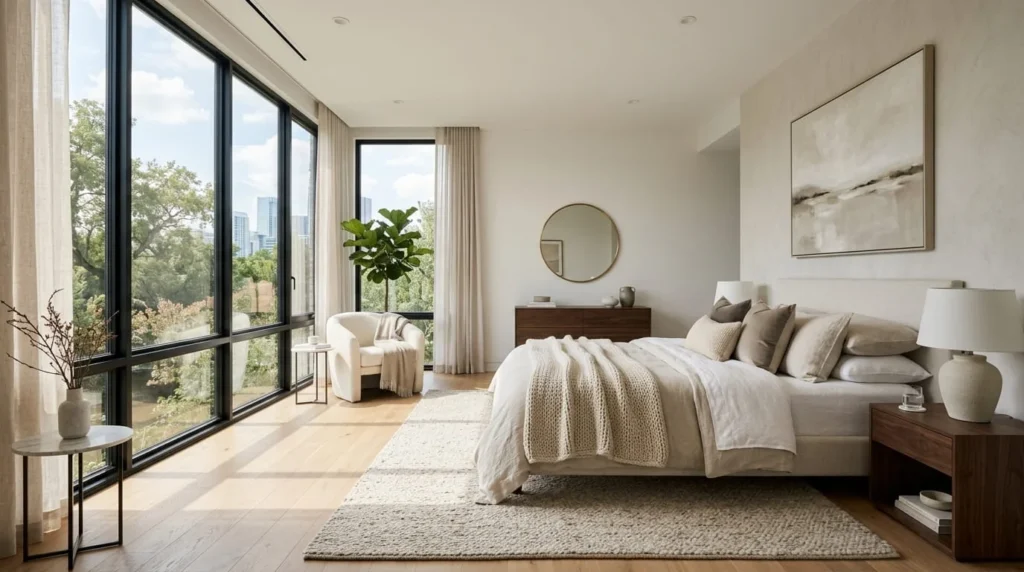
The introduction of natural light into interior space is one of the most appealing attributes of modern houses. Open interiors, large windows, and glass doors facilitate natural light and enable movement throughout the living space.
Storage Space
Storage space is critical for interior design to promote organization. Closets, cabinets, bookshelves, and utility rooms are useful in storing items. Moreover, kitchens are designed with islands and pantries, while contemporary appliances are used in the design.
In addition, comfort relates to the concept of privacy and relaxation. Spaces such as bedrooms, libraries, and studies provide private spaces for leisurely activities. Similarly, entertainment spaces include recreation rooms and television rooms.
Housing Market Trends
The housing market is still changing due to economic factors, changing lifestyles, and rising populations. There is an increasing demand for suburban houses due to remote working. House hunters are looking for spacious and flexible rooms that have outdoor space.
Builders of new buildings are concentrating on creating affordable and sustainable buildings. The builders are constructing smaller but modern apartments that are suitable for new homeowners and expensive and luxurious buildings for rich individuals.
Apartments and multifamily homes are still essential in cities. These types of buildings include condominiums and mixed-use buildings that offer convenience to the people living there.
The real estate industry is witnessing increasing demands for eco-friendly homes and sustainable building practices.
Challenges in Homeownership
Though there are advantages of living in one’s own home, there are also responsibilities. The cost of upkeep, repairs, insurance, and utilities has to be considered. Problems like roof damage, plumbing and structure repairs are going to get costly.
Disasters in the form of flooding, storms, and earthquakes are other concerns that need consideration. Today, builders and property owners are taking steps towards using resilient building materials to avoid potential hazards.
One more concern is that of housing being unaffordable. The rising cost of property, along with high interest rates, makes buying property a challenge for certain families. Governments have been providing various solutions to tackle this problem.
The Future of Housing
The future of housing is expected to be driven by technological advances, sustainability, and flexibility. The adoption of smart homes will keep growing alongside advances in technology. In addition, there might be new approaches to construction, including modular homes and 3D-printed housing.
The conservation of energy will still be a key consideration in future housing designs. This includes the adoption of solar energy, effective insulation, and sustainable building materials.
Finally, future housing is bound to evolve alongside lifestyle changes. It will be necessary to incorporate space for remote working and multipurpose rooms.
Conclusion
However, beyond being just a shelter, a house symbolizes an aspiration, a reflection of family life, and an investment into the future. Whatever stage you are at be it the purchase of your first house, the design of your dream home, or the real estate investment knowledge about housing tendencies and the process of home design is vital for success.
Apart from functional designs, contemporary constructions, and other aspects of home design discussed in this paper, today, you have access to a variety of AI-driven searches and innovations that make choosing a property easier than ever.
With continuous development, architecture and design of private homes will definitely remain among the top priorities of people.
Frequently Asked Questions (FAQ’s)
A house provides more than physical protection; it creates a place for privacy, comfort, family life, and personal memories. It also reflects the lifestyle and needs of the people living inside it.
An open floor plan combines areas like the kitchen, dining room, and living room into a shared space, making movement and social interaction easier. Traditional layouts usually separate rooms to provide more privacy and defined functions.
The right house design depends on your daily needs, available space, budget, and preferred architectural style. Options such as modern, farmhouse, craftsman, ranch, and cottage designs allow homeowners to choose a style that fits their lifestyle.
Before buying a house, consider your budget, savings, credit history, mortgage options, inspection results, and additional costs such as down payments, closing costs, and insurance. Proper financial planning helps avoid unexpected challenges during the buying process.
Smart home technology allows homeowners to control features like lighting, security systems, air conditioning, and appliances through digital tools. AI-based systems can also help with energy management, maintenance, and improving home security.

25 thoughts on “House by KD Architects | Modern Home Design & Luxury Architecture”